


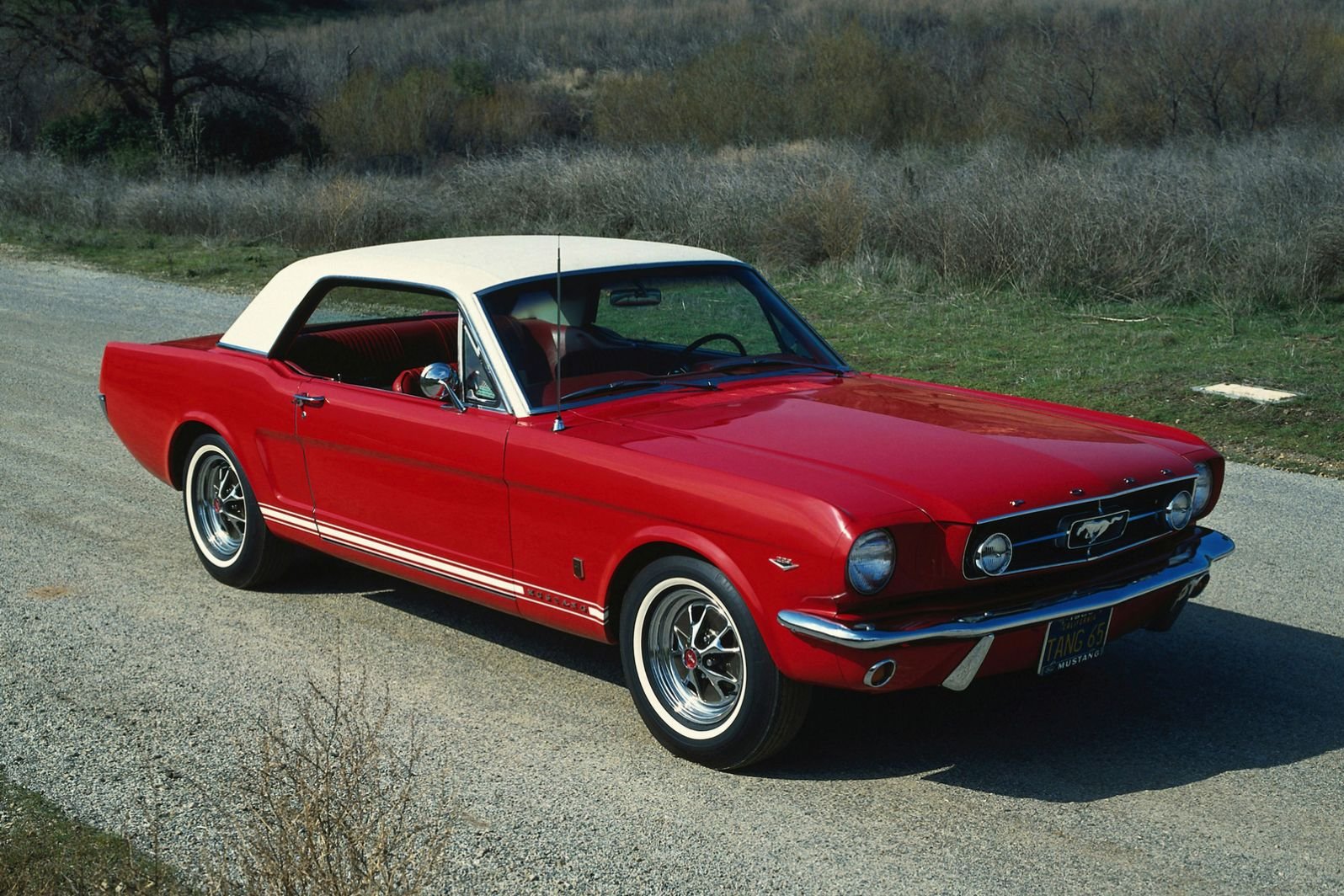
The first classic you buy teaches you more than any book, and the lesson is usually expensive. Sixties American performance cars are seductive for a reason — short decklids, long hoods, a V8 that shakes the rear-view mirror at idle — but they were also built with 1960s tolerances, 1960s rustproofing and 1960s wiring. The difference between a car that rewards you every weekend and one that lives on a lift comes down to how carefully you inspect it before the money changes hands.
What follows is the inspection and buying logic that experienced Mustang, Camaro, Chevelle and Mopar buyers use. None of it requires a lift or a welder. It requires patience, a magnet, a flashlight and the discipline to walk away from the wrong car.
Decide What Kind of Owner You Actually Are
Before you look at a single listing, be honest about how you want to spend your time. Broadly, there are four kinds of sixties-car ownership, and each one wants a different car:
- The driver. You want to turn the key on a Saturday, drive two hours, eat a burger and come home. Mechanical reliability matters more than numbers-matching originality.
- The restorer. The project is the hobby. A rough but honest shell with good sheet metal is worth more to you than a shiny repaint over filler.
- The collector. You care about build sheets, date-coded components, correct paint codes and documented history, because originality is where the long-term value sits.
- The performance owner. You like the shape of a classic but want modern brakes, modern cooling and air conditioning that actually works in traffic.
Most disappointment in this hobby comes from buying a car that suits one of those profiles while living like another. A trailer-queen restoration punished by daily driving loses value and gains headaches. A tired driver bought with restoration dreams tends to stall once the rust is cut out and the real bill arrives.
Rust Is the Only Number That Really Matters
Engines can be rebuilt, transmissions can be swapped, interiors can be bought from a catalogue. Structural rust is the one problem that quietly consumes a budget, because labour hours on metalwork dwarf parts costs. On unibody cars from this era, concentrate on these areas in order:
The six places to look first
- Torque boxes and frame rails. Lie down at the rear of the front wheel and look where the floor meets the rail. Flaking layers or fresh undercoat sprayed over a seam are both bad signs.
- Floor pans under the carpet. Pull the carpet back at the edges. Patch panels lap-welded over rot are common and acceptable on a driver, not on a serious restoration.
- Cowl and firewall. Run a hose over the windshield base with the doors open. Water dripping onto your feet means a rotten cowl — a genuinely labour-heavy repair.
- Quarter panels and wheel arch lips. Use a small magnet in a cloth. If it won’t stick, you’ve found filler.
- Trunk floor and drop-offs. Lift the mat, check the corners where the trunk floor meets the quarters, and check the spare well.
- Shock towers. Cracks around the upper control arm mounts are a known failure point on hard-driven cars.
Also check panel gaps with your eyes closed, so to speak — run a fingertip along the door shut lines. Uneven gaps that change from top to bottom usually mean accident repair or a sagging body, not just worn hinges.
Reading the Paperwork and the Numbers
Sixties Fords, GM and Chrysler products all carry data plates or VIN codes that identify the original engine, transmission, axle ratio, paint and trim. Learn to read them for the model you’re chasing, then compare what the plate says to what the car has. A six-cylinder car with a V8 dropped in isn’t a crime — it just isn’t a factory performance car, and should not be priced like one.
Be especially careful with badge-engineered value. Big-block and high-output drivetrains carry large premiums, which makes them the most-cloned cars in the hobby. If a seller claims a rare engine option, ask for the build sheet, the original invoice, a factory records report, or casting and date codes you can verify yourself. Enthusiasm is not documentation. Where documentation is thin, pay driver money, not collector money.
Where the Entry Points Still Exist
Not every sixties-flavoured classic has priced itself out of reach. Six-cylinder coupes, four-barrel small-blocks, early personal-luxury cars and the less-worshipped siblings of famous nameplates still trade for sensible money, and they deliver most of the sensory experience for a fraction of the outlay. Road & Track’s roundup of affordable classic cars still worth buying is a useful reality check if your shortlist has drifted into fantasy territory, and it’s a reminder that parts availability and club support often matter more to ownership happiness than horsepower figures.
One more practical filter: buy the car with the strongest aftermarket. Mustangs and first-generation Camaros can be rebuilt almost entirely from catalogue parts, which keeps restoration costs predictable. Obscure models may be cheaper to buy and brutally expensive to finish.
The Restomod Question
There is a third path between a crumbling project and a concours-correct trailer queen: the reimagined classic, built on sixties sheet metal with modern engineering underneath. Fuel injection that starts on the first turn, disc brakes that stop from highway speed twice in a row, a cooling system that tolerates a traffic jam in August, and a chassis that doesn’t wander in a crosswind. For a lot of buyers, that combination is what they actually wanted all along.
If that’s the direction you’re leaning, it pays to study what a professionally engineered example looks like before you commission one yourself. A car such as a reimagined 1968 Mustang GT 2+2 fastback Cobra Jet shows how the formula works when it’s done methodically — period-correct proportions and GT detailing kept intact, while the drivetrain, brakes, suspension, wiring and climate control are brought up to standards a modern driver takes for granted. Looking closely at that kind of build is instructive even if you never buy one: it tells you which upgrades genuinely transform a sixties car, which ones are cosmetic, and how much integration work separates a coherent restomod from a parts-bin special.
Shop with Your Feet Before Your Wallet
Online listings flatten everything into the same glossy sameness. Car shows and cruise nights do the opposite — they let you sit in a dozen variants in one afternoon, hear which engines you actually like, and talk to owners who will tell you exactly what their car costs to keep. Our walk through the standout machines at the 2025 Woodward Dream Cruise is a good illustration of how much range exists within the muscle-car label, from survivor-grade originals to heavily reworked street cars.
Those conversations are also where you find cars before they’re advertised. A surprising share of the best examples never hit the open market; they move between people who already know each other.
Before You Hand Over the Money
- Drive it properly — to operating temperature, over bumps, and hard on the brakes in a safe spot.
- Pay an independent specialist for a pre-purchase inspection. It is the cheapest insurance in the hobby.
- Confirm the title matches the VIN on the car, and that the VIN tag shows no signs of disturbance.
- Budget 15–20% of the purchase price for sorting work in the first year, even on a car described as finished.
- Get an agreed-value insurance quote before you buy, not after.
Buy the best body you can afford, accept that mechanical work is the manageable part, and choose a car whose running costs match the life you actually lead. Do that, and a sixties muscle car stops being a gamble and becomes exactly what it was built to be: an excuse to go driving.
