


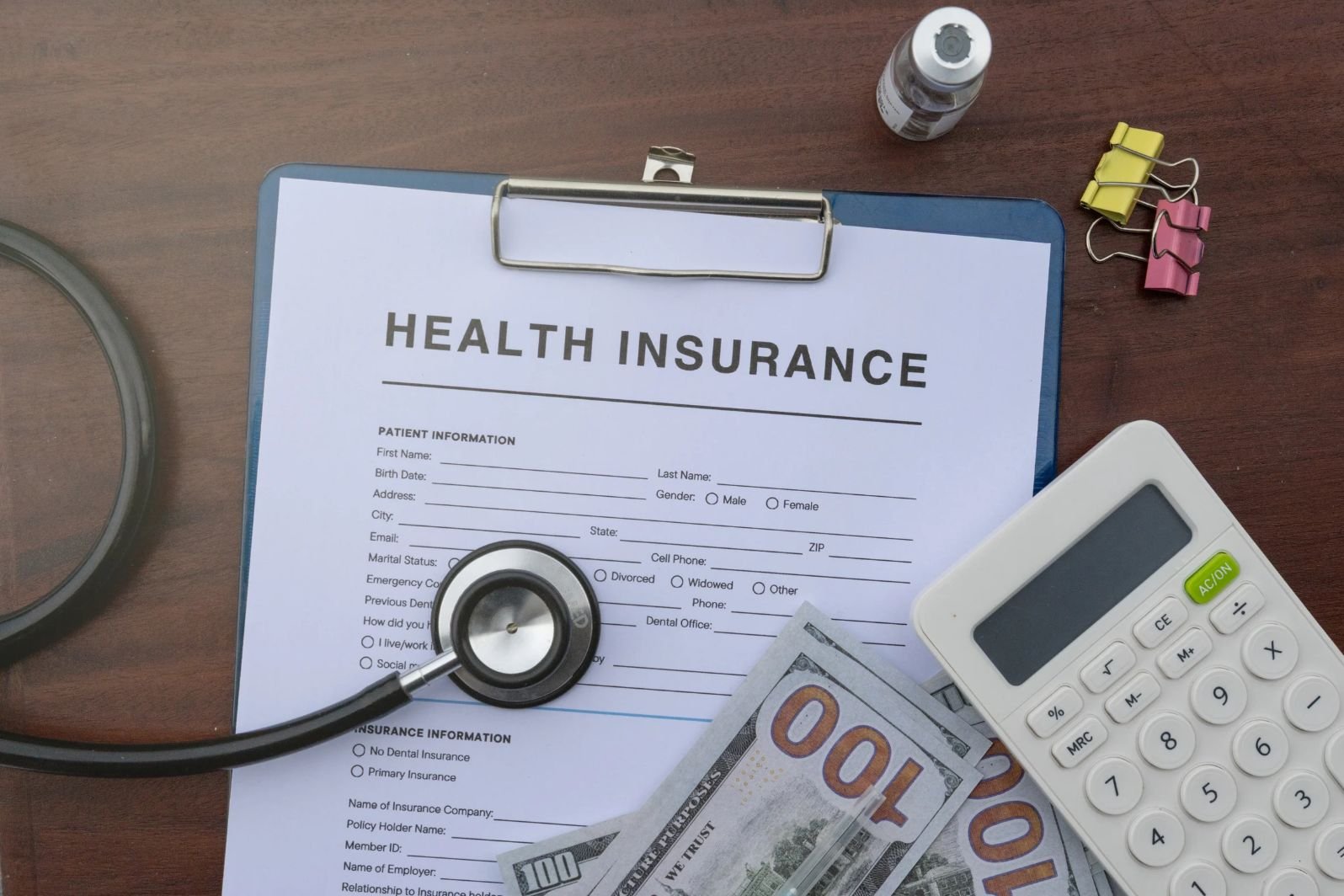
There is a particular kind of phone call that insurance helplines receive every day. The caller has just been told at a hospital billing counter that part of the bill is not covered. Usually the policy is perfectly valid. The trouble lies in a clause the buyer never read: a waiting period that hadn’t run out, a sub-limit on room rent, a condition left off the proposal form.
For someone buying health insurance for the first time, most of these calls are avoidable. The checks take an evening, not a week, and they pay for themselves the first time a claim is filed.
Who Can Actually Buy a Policy?
Bajaj General Insurance accepts adults between 18 and 65, and dependants can be added from 90 days old up to 25 years. Buyers over 45 may be asked for a pre-policy health check-up, which is one more argument for not putting the decision off. NRIs can buy too, although the cover applies to treatment in India.
What first-time buyers rarely consider is how long the relationship lasts. Most Bajaj General policies offer lifetime renewability. The policy chosen at 27 may well still be in force at 67, so the choice deserves more thought than it usually gets.
Individual Cover or a Family Floater?
For a young couple or a family with small children, a floater is usually the economical choice. One sum insured is shared by everyone, and the premium is lower than buying several individual plans. The catch is that the premium is pegged to the oldest person on the policy.
That catch matters most for parents. Bajaj General advises against adding senior citizens to a family floater. Their claims tend to be more frequent, and each one eats into the cover meant for a spouse or a child. A separate policy for parents keeps both pools intact, and it earns its own tax deduction.
Why Does a Sum Insured Age Faster Than You Do?
Hospital bills in India are rising at something like twelve to fourteen per cent a year, which is far faster than salaries for most people. Bajaj General’s own illustration is sobering. An operation that would have cost ₹3 lakh not very long ago can now run past ₹5 lakh. A sum insured that looks comfortable on the day of purchase can quietly become inadequate.
The insurer’s own guidance is a useful anchor. A young buyer can probably start at around ₹10 lakh. Anyone living in Mumbai, Delhi or another metro, where hospitals simply charge more, should be thinking of ₹25 lakh at the least. Under-insuring is a false economy. The money saved on premium is usually smaller than the gap left in a single serious hospital bill.
The Clock Nobody Mentions at the Point of Sale
Waiting periods decide when the policy actually starts working.
The first month is effectively a trial period. For thirty days, only accidents are covered. After that, the longer waits apply. Someone who already has diabetes, asthma or a thyroid condition will wait one, two or three years before that condition is covered, depending on the plan. The same holds for a short list of named illnesses (hernia, gout and cataract among them) and for maternity, unless maternity cover is opted for separately.
This is the strongest financial case for buying young. Someone who takes a policy at 28 will usually have served those waiting periods long before they are likely to need them.
On Telling the Insurer Everything
Yes, without exception. Insurers look back three years. Anything a doctor diagnosed in the 36 months before purchase counts as pre-existing. It is tempting to leave something off, and the premium might even dip slightly as a result. But the insurer will read the medical file when a claim comes in, and a mismatch at that stage can see the claim rejected outright. Full disclosure is cheaper over the life of the policy, even if it doesn’t feel that way on the day.
Where Do Good Health Insurance Plans and Adequate Ones Part Ways
Usually in the small print, not the headline number. Eighteen thousand-odd network hospitals sounds reassuring, and Bajaj General has more than 18,400 across India. Still, the only figure that matters to an individual buyer is how many sit near their home and office. The hospital locator answers that in a minute.
Co-payment clauses deserve a hard look. A co-pay works by quietly handing back a slice of every future bill to the policyholder in exchange for a smaller premium now. Bajaj General itself suggests steering clear of one if you can. It is also worth checking how far the cover stretches either side of an admission.
The better plans pay for tests and consultations in the 60 days before admission and for follow-up care in the 90 days after. They also include day care procedures, AYUSH treatment, organ donor expenses and treatment at home.
Does “Cashless” Mean Nothing to Pay?
Not quite, and here’s why. A 28-year-old in Pune who ends up in hospital with appendicitis, facing a bill of roughly ₹85,000. Most of it, ₹80,000, is treated as a medical expense and goes straight from the insurer to the hospital. The remaining ₹5,000 covers consumables and other non-medical items, and the patient pays it.
Riders exist precisely for this gap. The Non-Medical Expense Rider covers consumables. The Health Prime Rider is the broader of the two, with consultations and wellness support thrown in. Neither is essential for everyone, but both are worth a quote before deciding.
Money Left on the Table
Two items, and they are substantial. GST on individual and family health insurance policy was scrapped on 22 September 2025. On a ₹20,000 premium, that removes ₹3,600 from the bill at a stroke. Then there’s the deduction under Section 126 of the Income Tax Act, 2025. It is only available to those still on the old regime, but it allows up to ₹25,000 for premiums on the buyer, a spouse and children. Preventive check-ups add room for another ₹5,000.
After the Policy Arrives
A few habits make the policy work as intended. The insurer likes two days’ notice before a planned admission and wants to hear about an emergency within a day. The renewal date needs noting too. On My Health Care Plan, the grace period is 15 days for monthly instalments and 30 days for other payment modes. And if the buyer has second thoughts, a cancellation within the free look period brings a full refund.
The Short Version
Six questions to ask when looking for the best health insurance. A buyer who can honestly say yes to each is in good shape:
- Is the sum insured realistic for my city?
- Do I know my waiting periods?
- Have I disclosed every condition?
- Are there cashless hospitals near me?
- Is there a co-payment clause, and can I avoid it?
- Have I read the policy wording, not just the brochure?
A policy that passes those six questions will hold up at the billing counter, which is ultimately the only test that counts.
